
Internal Affairs Unit
Internal Affairs units have been established in all government institutions aiming to assist in law enforcement, in cooperation with the Commission to Investigate Allegations of Bribery or Corruption in order to prevent corruption in government institutions, develop a culture of integrity, ensure transparency and accountability, and promote ethical governance.
Strategic Goals
Key Objectives of the Internal Affairs Unit (IAU)
Prevent Corruption & Integrity
Prevent corruption within the institution and actively cultivate an enduring organizational culture of integrity.
Transparency & Accountability
Ensure transparency and accountability in all activities, assuring public access to information regarding institutional practices and decisions.
Promote Ethical Governance
Promote uncompromising ethical governance across all departments and levels within the institution.
Whistleblower Protection
Develop a secure, accessible reporting system to encourage reporting misconduct, protect whistleblowers, and maintain absolute confidentiality.
Legal & CIABOC Collaboration
Support legal enforcement through seamless collaboration with law enforcement agencies and the Commission to Investigate Allegations of Bribery or Corruption (CIABOC).
Duties & Operations
Responsibilities & Functions of the IAU
Systemic Optimization
Examine current procedures and circulars to identify systemic bottlenecks within the institution and simplify them to enhance operational efficiency.
Corruption Risk Assessments (CRAs)
Conduct CRAs to identify vulnerable areas prone to corruption and unethical conduct, taking targeted preventive measures.
Integrity Action Plan
Develop and implement an Institutional Integrity Action Plan outlining specific anti-corruption objectives and strategies tailored to the institution's needs.
National Alignment
Ensure full compliance with national anti-corruption goals by aligning institutional policies and practices with the National Anti-Corruption Action Plan.
Compliance Reviews
Conduct regular reviews to assess compliance with national and international anti-corruption laws, including the Anti-Corruption Act No. 9 of 2023.
Asset Declarations & Conflicts
Ensure compliance with Asset Declaration requirements for all public officials and manage conflicts of interest in accordance with CIABOC regulations.
Complaint Management
Establish a secure system to receive and manage complaints, ensure prompt addressing by relevant units, and refer findings to CIABOC if necessary.
Citizen's Charter
Develop and publish a Citizen's Charter outlining services provided by the institution for public clarity and transparency.
Code of Conduct
Establish and enforce policies that promote ethical governance, including a standardized code of conduct to be adhered to by public officials.
Training & Awareness
Implement training and awareness initiatives to motivate employees to commit deeply to anti-corruption principles.
Integrity Assessment Focal Point
Act as institutional focal point for the National Anti-Corruption Integrity Assessment guided by CIABOC.
CIABOC Liaison
Maintain active liaison with CIABOC to receive ongoing guidance and support in executing the Unit's statutory duties.
Periodic Reporting
Produce periodic and annual reports summarizing IAU activities, progress, challenges faced, and recommendations.
Stakeholder Collaboration
Collaborate with private sector stakeholders to plan and implement shared integrity development programs.
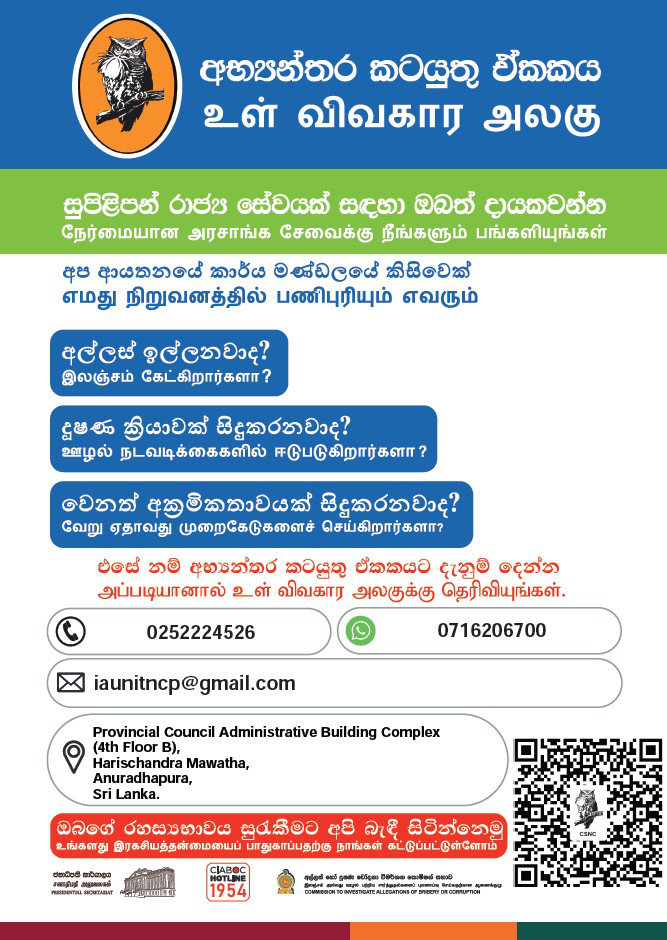
How to Submit a Complaint?
The Internal Affairs Unit is committed to providing accessible, secure, and confidential channels for reporting misconduct, unethical behavior, or violations of institutional policy. Complaints can be submitted by staff, clients, and external stakeholders.
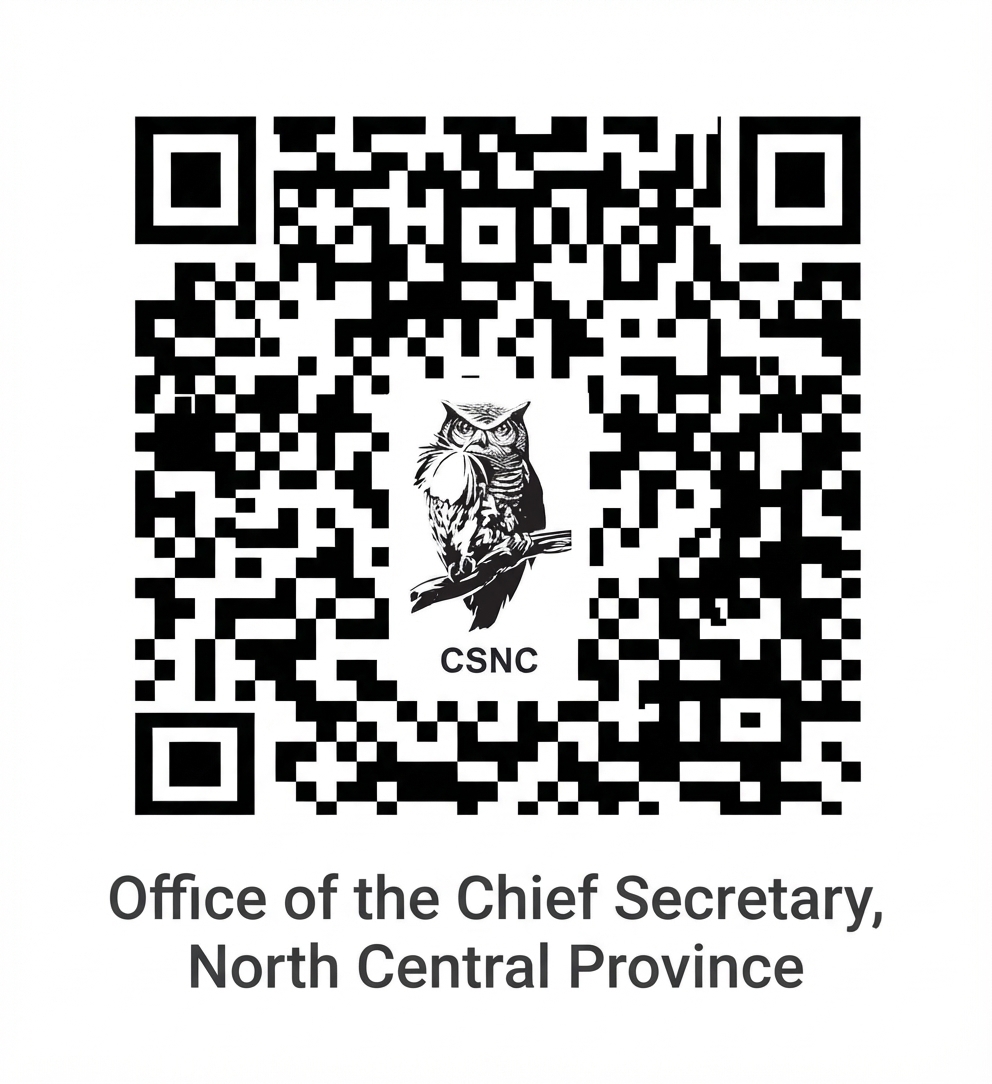
1. QR Code Submission
You can quickly and securely file a complaint directly from your smartphone or tablet.
Step 1 - Open your phone's camera or a QR scanning app
Step 2 - Point it at the IAU Complaint QR Code displayed below or around our facilities.
Action: The code will instantly direct you to our secure, mobile-optimized online reporting form where you can submit your details and attach supporting evidence.
2. Online Reporting Portal
If you prefer using a computer, you can access our digital reporting form directly through the institution’s official website by following these steps:
Step 1 - Access the Portal
Visit the institution's official website and navigate to the Internal Affairs Unit page, then click on the Secure Online Complaint Form link.
Step 2 - Fill Out & Submit Details
Complete the digital form by providing all relevant details regarding the incident, and upload any supporting documents or evidence.
3. Dedicated Email
You may send written details of your complaint, along with any supporting documents (such as photos, documents, or screenshots), directly to our confidential email address:
Email: iaunitncp@gmail.com
4. Telephone Hotline
For urgent matters or to speak directly with an intake officer, you can reach our dedicated reporting hotline:
Telephone: 0252224526 / 0716206700
Open Hours: Monday to Friday (8:30 AM – 4:15PM)
WhatsApp: 0716206700
A secure voicemail service and WhatsApp messages are available 24/7 for inquiries outside working hours.
5. Postal Mail
If you wish to submit your complaint physically or schedule a confidential meeting with an investigator, mark envelopes "CONFIDENTIAL - To Be Opened by Internal Affairs Unit Only" and mail them to the address below.
Address :
The Coordinating Officer,
Internal Affairs Unit,
Office of the Chief Secretary,
Provincial Council Administrative Building Complex (4th Floor B),
Harischandra Mawatha,
Anuradhapura.
6. In-Person
You may visit to:
Internal Affairs Unit,
Office of the Chief Secretary,
Provincial Council Administrative Building Complex (4th Floor B),
Harischandra Mawatha,
Anuradhapura.
Resources & Publications
Downloads & Official Documents
Corruption Risk Assessment (CRA)
Detailed evaluation of structural vulnerabilities and risk mitigation matrices.
Action Plan 2026
Current year strategic initiatives, KPIs, and systematic bottleneck simplifications.
Code of Conduct
Ethical guidelines, conflict-of-interest rules, and professional standards for staff.
 English
  Sinhala
  Tamil
Tamil